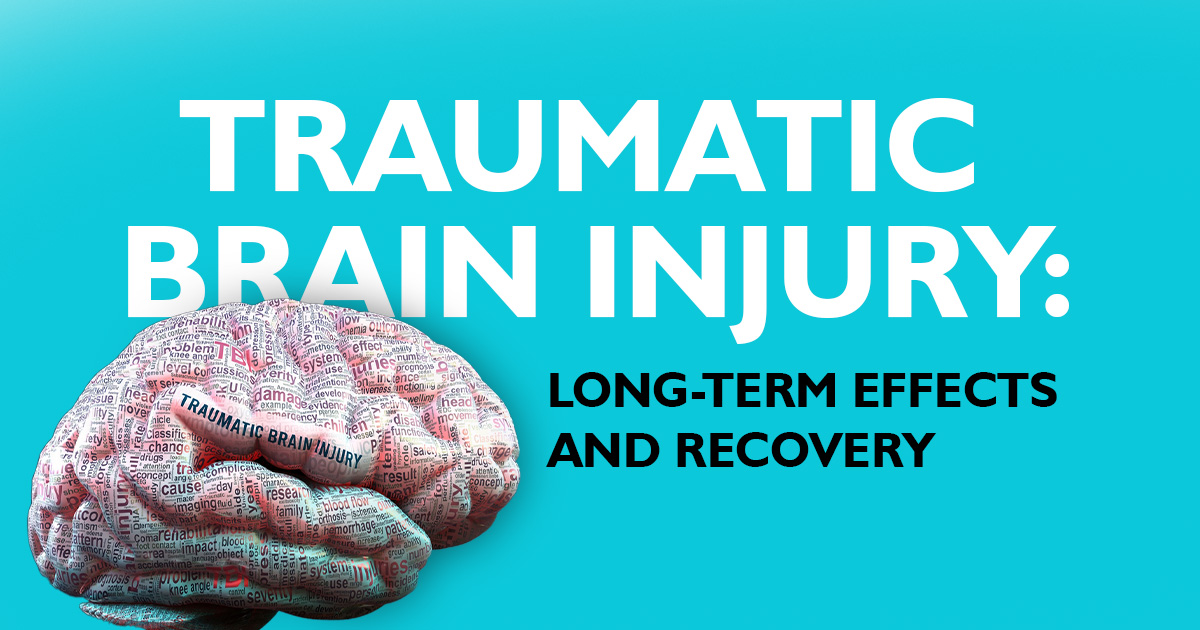
Traumatic brain injury, often known as TBI, can change a life in a moment. A road accident, a fall, a sports injury, or a sudden blow to the head, etc., can affect the brain in ways that are not always visible from the outside. For many people and families, the journey after a brain injury is confusing, emotional, and deeply challenging. Days can feel frightening and uncertain filled with endless questions, fears, and confusions.
But it is important to understand the long-term effects and the recovery process which can bring hope and clarity during this difficult time.
Let us learn more about TBI, its long-term effects and recovery, in this blog.
● Understanding Traumatic Brain Injury
Traumatic brain injury happens when the brain is damaged by an external force. It can be mild, moderate, or severe. Some people recover quickly, while others face lasting changes. Even a mild injury, like a concussion, can have effects that continue for weeks or months. More serious injuries can impact a person’s ability to think, speak, move, work, and connect with others.
Every brain injury is different because every brain is unique. Some people recover quickly, while others need months or years of support. Symptoms may appear immediately, or they may develop slowly over time. This is why early medical care and careful observation are so important after any head injury.
● Common Cognitive Changes
One of the most common long-term effects of TBI is trouble with thinking and memory. Common challenges include:
-Memory problems, such as forgetting names or places
-Difficulty concentrating, especially in busy environments
-Trouble with planning, decision-making, and problem-solving
People may find it hard to concentrate, remember names, or follow conversations. Simple tasks that once felt easy can suddenly feel overwhelming. This can be frustrating and can affect confidence, especially for someone who was independent before the injury. Understanding that these challenges are part of the injury, not a personal failure, is an important step toward emotional healing.
● Emotional and Behavioural Effects
TBI does not only affect the mind, it also affects emotions. Many people experience:
- Mood swings
- Anger
- Irritability
- Anxiety
- Sadness
- Emotional sensitivity, etc
A person may feel overwhelmed by small issues or react strongly to situations that once felt manageable. Some people feel disconnected from their old self, which can be painful. Relationships may feel complicated because loved ones may not fully understand these patterns and changes.
That is why families must be willing for professional counselling to navigate these emotional shifts with greater care and compassion.
● Physical Challenges After Injury
Physical symptoms can continue long after the injury. Common concerns include:
- Headaches
- Fatigue
- Dizziness
- Sleep problems
- Sensitivity to light and noise, etc
Some people struggle with balance or vision. In severe cases, there may be difficulty with walking, speaking clearly, or using hands effectively. These changes can affect independence and self-esteem.
-
Impact on Family
The impact of TBI is not only on the person who is injured. Families often go through their own emotional journey. Seeing a loved one struggle with changes in behaviour, memory, or personality can be painful. Family members may feel stressed, exhausted, or unsure about how to help. It is important to recognise that these feelings are valid, and support is available for families too.
-
The Role of Rehabilitation
Recovery from traumatic brain injury is possible, but it usually takes time, patience, and the right support. Every brain injury is different, and so is every recovery. Some people make strong progress in the first few months, while others improve slowly over years. Rehabilitation plays a key role in this process. Doctors may recommend physiotherapy to improve movement and strength, speech therapy to help with communication, and occupational therapy to support daily activities like dressing, cooking, or returning to work.
Mental health care is equally important. Counselling or therapy can help people cope with the emotional effects of TBI. Support groups can also make a big difference. Talking to others who have gone through similar experiences can reduce feelings of loneliness and bring comfort.
-
Lifestyle Modifications
Lifestyle changes can support recovery as well. Getting enough rest, eating healthy food, staying hydrated, and avoiding alcohol or drugs can help the brain heal. Gentle exercise, as advised by a doctor, can improve mood and energy. Keeping a simple routine, using reminders, and breaking tasks into small steps can make daily life more manageable for someone with memory or attention problems.
-
Timely Follow-Ups
Early medical care and regular follow-ups are extremely important after a brain injury. Some symptoms may appear weeks or even months later, so it is important not to ignore changes in behaviour, sleep, or thinking. Families should stay alert and seek medical help immediately when something does not feel right. Timely support can prevent complications and improve quality of life.
-
Final Thoughts
Traumatic brain injury reminds us how precious and fragile the brain is. It also reminds us of the power of care, patience, and human connection. With the right medical support, understanding families, and timely care, people with TBI can rediscover hope, rebuild identity, and move forward with courage.