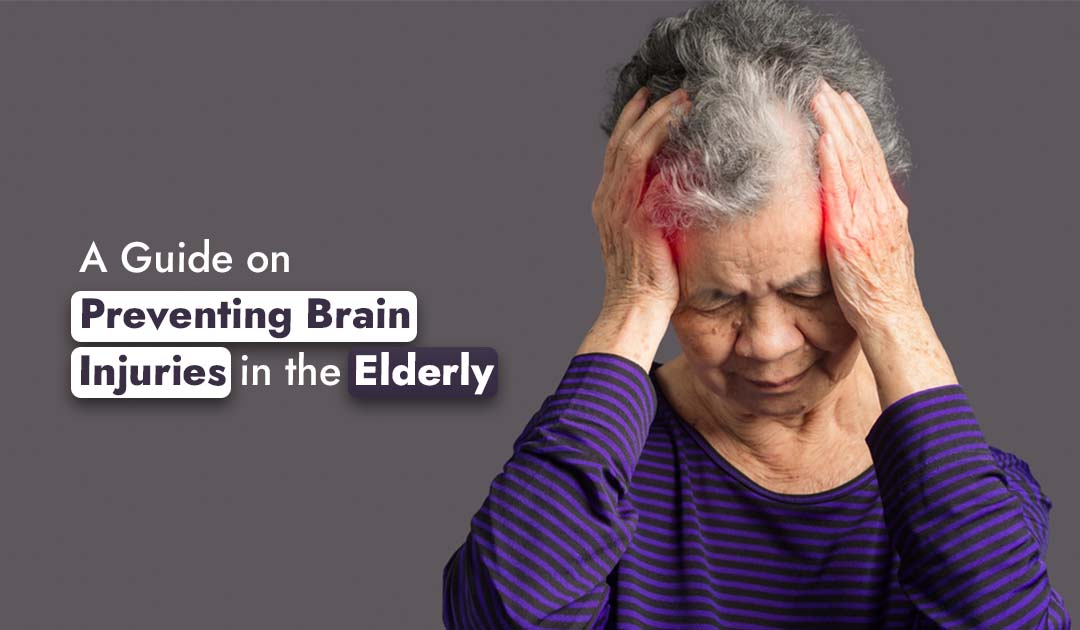
Head injuries as a result of falls or accidents can be prolonged and serious. Elderly patients have a history of slipping and falls because of their multimorbidity and frail body, and head injury is one of the presenting complaints in them.
Traumatic brain injury (TBI) occurs due to a jolt or a blow to the head or body. It also occurs due to an object penetrating the brain tissues, such as a bullet or a broken skull fragment. It is either physical or mental, or mild or severe. In mild injury, the brain tissues are affected for a short time. In traumatic and severe brain injury, damage by bruising, tissue tearing, and bleeding, along with other types of brain damage, occurs. Such an injury is sure to cause long-term complications and death.
What are the Symptoms of Brain Injury?
Traumatic brain injury is of variable physical and psychological impact. There is a rapid onset of some of the signs and symptoms following the post-traumatic event, whereas others follow after a few days or weeks.
We will categorize the symptoms into three parts: physical, sensory, and cognitive, for the purpose of explaining the different impacts.
In mild traumatic brain injury, the physical symptoms and signs can be:
- Head pain
- Experiencing a queasy sensation or vomiting
- Fatigue or sleepiness
- Issues with speech
- Dyskinesia or loss of balance
- Sensory symptoms
- Blurry vision,
- Ring in the ears
- A bad taste in the mouth
- Changes in the sense of smell
- Noise sensitivity or brightness sensitivity
- Cognitive, behavioral, or psychological symptoms
- Transient loss of consciousness for a few seconds to a few minutes
- Not loss of consciousness but confusion, bewilderment, or a sense of being lost.
- Difficulty with attention or memory
- Mood swings or changes in emotions
- Experiencing feelings of sadness or worry
- Sleep onset issue
- Sleeping more than usual
Intra- and posttraumatic signs, in both severe and moderate traumatic brain injury, will ultimately manifest, either in the first hours or days following the head injury accident.
Physical Symptoms
- Half an hour to several hours of loss of consciousness
- Chronic headache or headache that worsens
- Persistent vomiting or nausea
- Convulsions or convulsions/seizures
- Dilatation of one or both eye pupils
- Watery, clear discharge from the nostrils or ears
- Not waking up from sleep
- Weakness or numbness of the extremities
- Loss of motor coordination
- Cognitive or mental symptoms
- Severe confusion
- Restlessness, aggressiveness, or other abnormal behavior
- Slurred speech
- Coma and other disorders of consciousness
Physiologic Alterations and Risk of Head Trauma in Older Adults
Brain aging predisposes elderly patients to brain hemorrhagic complications of head trauma.
Now, let us discuss how brain injury affects the elderly.
With increasing age, the brain will slowly reduce in size. This will cause the skull cavities to widen so that the brain will be more susceptible to bleeding, particularly with subdural hematomas. It will require more blood to cause significant effects on the brain.
It puts extra pressure on the blood vessels and thus puts them at higher risks of rupture and aneurysms, particularly in the brain. It causes subarachnoid hemorrhage.
Impaired Cerebral Autoregulation:
Dysfunction of the capacity to control blood supply to the brain can lead to a lower oxygenation level, and thus, the brain is maintained in a suboptimal state.
Cerebrovascular Atherosclerosis:
Atherosclerosis can also disrupt the flow of blood to the brain and lead to a stroke.
Increased Monoamine Oxidase B (MAO-B):
MAO-B is an enzyme that can generate potentially toxic free radicals. Overexpression of MAO-B is responsible for damaging brain cells and lowering the brain’s resistance to damage.
Mitochondria, or power plants of the cell, are not as efficient as we grow older. This loss may influence the capacity of the brain to heal from injury.
Decreased Superoxide Dismutase (SOD):
SOD is a class of antioxidants that guard cells against damage. Deficiency of SOD can make the brain more vulnerable to oxidative damage and stress.
Increased Superoxide Production:
Superoxide is a harmful free radical that produces damage in cells and also has the potential to cause brain damage.
How to Prevent Falls in the Elderly?
To prevent head injury and falls in the elderly, make sure you have:
- Regular eye tests
- Exercise regularly
- Home safety assessments
- Use of assistive devices
Schedule an appointment with a physician to ensure your loved one can take the necessary measures to minimize head injury risk.