
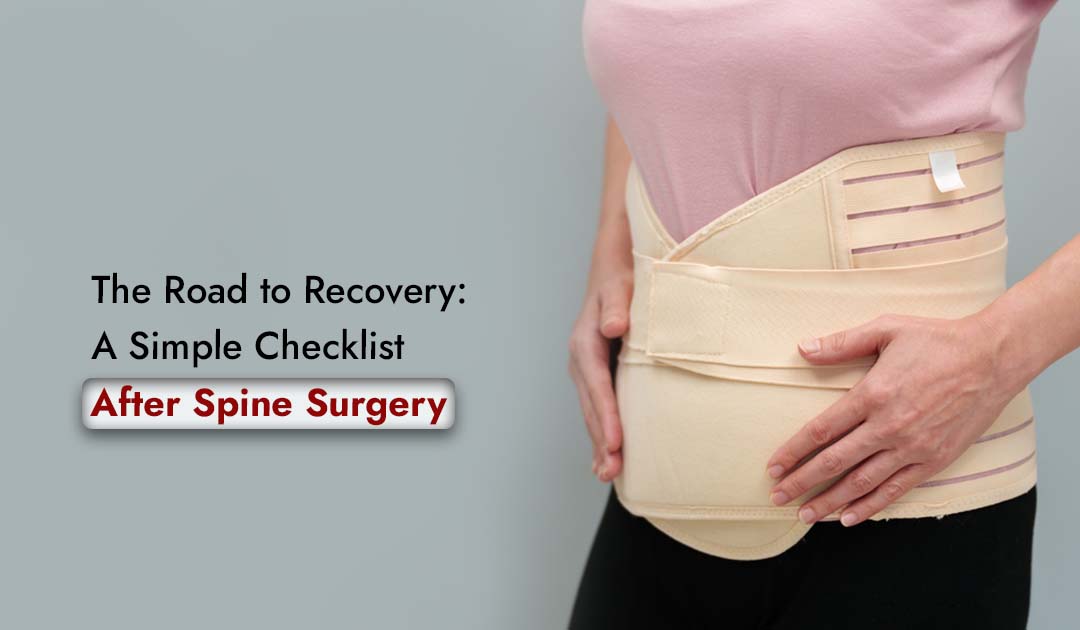
Recovering from spine surgery is a journey, one that requires patience, care, and the right guidance. Most people want to know: what should I do after surgery to heal faster and safely? The truth is, while every patient is different, there are a few essential steps that can support your recovery and bring you back to normal life sooner.
In this blog, let’s walk through a simple, practical checklist after spine surgery, written in a clear and human tone, so you or your loved ones know what to expect during this important period.
Understanding the Road to Recovery
Spine surgery is often done to relieve pain or nerve pressure caused by issues such as slipped discs, stenosis, or spinal deformity. And although modern spine surgeries, especially minimally invasive techniques, allow quicker healing, the recovery phase still needs attention.
Your body needs time to repair tissues, muscles, and bones. So think of recovery not as a race, but as a steady, calm process.
Post-Spine Surgery Checklist for a Safe Recovery
1. Manage Pain Wisely
You may still feel discomfort after surgery, especially in the first several days. Pain control helps you move better and prevents unnecessary stress on the body.
Your pain care plan may include:
- prescribed pain medications
- muscle relaxants
- anti-inflammatory medicines
- ice packs as advised
Avoid self-medication. If pain increases suddenly or feels unusual, let your doctor know.
2. Follow Your Movement Restrictions
Your spine needs time to heal. Certain movements can strain the operated area.
Avoid:
- bending forward
- lifting heavy objects
- twisting your spine
You may hear your doctor mention “BLT restrictions” (Bending-Lifting-Twisting). Follow them!
Use simple strategies like:
- bending your knees instead of your back
- keeping objects close to your body while lifting
- using supportive chairs
3. Start Walking Early
Movement helps recovery. Many patients are encouraged to walk slowly within the first 24 hours.
Walking helps:
- improve circulation
- reduce blood clot risk
- prevent stiffness
- speed up healing
Start slow, increase distance gradually, and avoid uneven surfaces.
4. Protect Your Wound
Proper wound care prevents infection.
Keep your surgical site:
- clean
- dry
- protected
Avoid applying powders, creams, or home remedies unless your doctor approves.
If you notice redness, pus, fever or foul smell, call your doctor immediately.
5. Maintain Good Posture
Your spine is healing, so the way you sit, stand, and sleep matters more than ever.
Try:
- using straight-backed chairs
- keeping feet flat on floor while sitting
- sleeping on your back or side with pillows for support
Avoid:
- deep sofas
- soft mattresses
- long sitting hours
Your spine will thank you!
6. Eat a Healing-Friendly Diet
After spine surgery your body needs nutrients to rebuild tissue.
Include:
- protein-rich foods (eggs, lentils, chicken)
- calcium sources
- fiber (vegetables, whole grains)
- enough water
Avoid too much sugar or junk food, they slow healing and cause constipation, which increases spinal strain.
7. Stay on Top of Follow-Up Visits
Regular follow-ups allow your surgeon to monitor healing.
These visits help:
- remove stitches or staples
- adjust medications
- assess nerve recovery
- review imaging if necessary
Never skip appointments even if you “feel fine.”
8. Begin Physiotherapy on Time
Physiotherapy plays a major role after spine surgery.
It restores:
- spine strength
- muscle flexibility
- mobility
Your physical therapist will guide you gradually, from walking to strengthening core muscles. Avoid YouTube exercises or random gym routines during recovery.
What You Should Not Ignore
Call your doctor immediately if you notice:
- numbness or tingling worsening
- bowel or bladder control issues
- severe leg weakness
- continuous fever
- sudden increasing back pain
These may be warning signs and should not be ignored.
Emotional Health Matters Too
It’s natural to feel anxious or impatient during recovery. Some days will feel easier than others.
Things that help:
- staying positive
- meditation
- breathing exercises
- engaging with family
- avoiding overthinking
Healing is not just physical, your mental calm speeds up your body’s healing.
Recovery Timeline – What to Expect
While every surgery is different, many patients begin light activities within:
- 2-4 weeks: daily activities
- 6-12 weeks: routine work
- 3-6 months: major recovery
- 1 year: full healing in most cases
Your surgeon will guide your personal timeline.
Final Thoughts
Spine surgery is not the end, it’s the beginning of a healthier, pain-free life. A careful recovery helps you get the most benefit from your procedure. Follow instructions, listen to your body, and give it the time it deserves.
If you take each step patiently, the road to recovery becomes smooth, safe, and reassuring.