
Ever been deep in a scrolling session on your phone, only to sit up with a jolt of pain in your neck? That’s a feeling a lot of people know and relate to in today’s day and age.
Our phones nowadays are like a fourth limb and are always holding our attention. It is no secret that the more we spend looking down into our screen, the higher the risk in medical condition in our lives called text neck. Although it may sound preposterous, the effect of text neck is enormeous. It is the cost our back pays for our online life, and it just keeps spreading like an epidemic year after year. Our question here should be how all the screen time is altering our back, and what could we possibly do?
What Are the Three Ways the Text Neck is Impacting Our Spine?
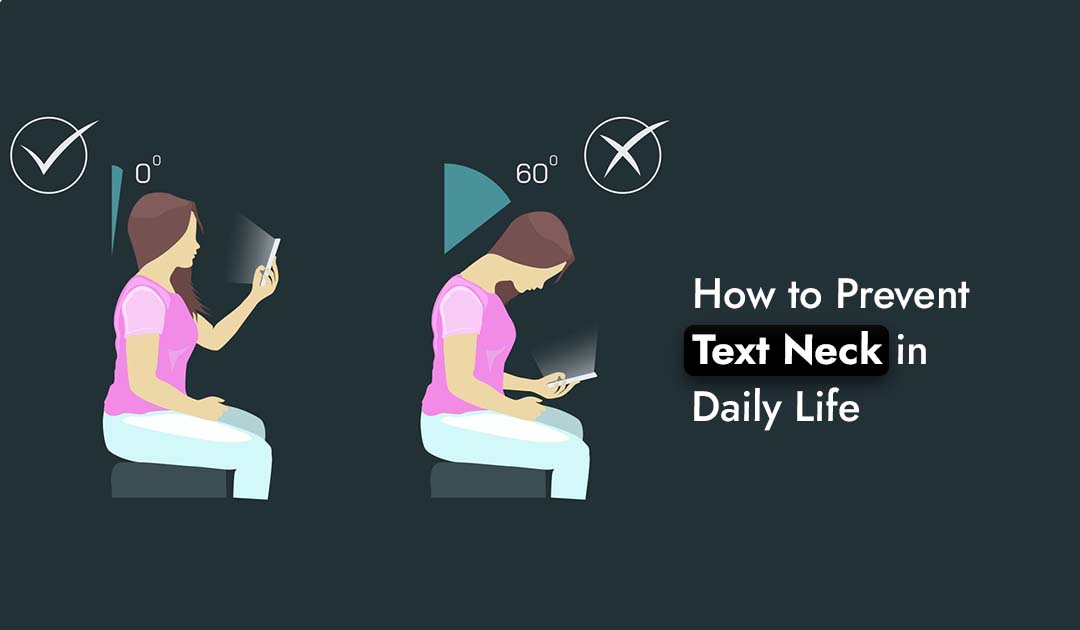
First and foremost, let’s talk a little bit about your posture. When you bend your neck forward to look over your phone, your functional load on your neck increases. When you just sit your head on your shoulders, your head itself is only 10 to 12 pounds. However, when you bend your neck forward, the functional load you are exerting on your cervical spine is a minimum of 50 or 60 pounds. That is like holding a seven-year-old child on your neck for two hours a day. That is what your spine is subjected to because of the slouching. Week after week, such an unnatural posture doesn’t only impact the muscles, the ligaments, and the discs of your neck, but it also leads to pains and stiffs, and it can turn into a chronic one unless it is prevented early on.
Second, you may want to know that your text neck actually doesn’t hurt the neck itself. That repeated strain of bending forward can erode your spine and down into the shoulders and upper back, as well. Most humans first notice tension and pain higher up in the middle of the back just between the shoulder blades or even numbness and tingling into the arms and hands. That is because the nerves are getting pinched or inflamed due to the manner you’re supporting yourself upright. You can even end up with numbness, tingling, or weakness into your hands and fingers. What starts as a minor annoyance can end up causing difficulty for your day-to-day functioning, from typing and working on the computer to going to the supermarket for groceries.
Third, text-neck’s long-term consequences are more harmful. Decades of ongoing strain on your back and neck can speed up the wear and tear on the cushioning discs within your vertebrae. Years down the road, it can become degenerative disc disease or herniated discs, both of which are hard to treat and can lead to ongoing pain or nerve damage. Worst scenario, your neck curve can actually start going flat or even reverse itself, leaving you with a hunched appearance for your back and leaving you an open target for more back issues for your golden years.
The good news however is that you don’t have to discard using your phone for enhancing your spine health. Minor changes in your phone use can make a significant difference. Start by not resting your head to hold your phone but level with your eyes. If you’re reading or checking your phone frequently, take breaks frequently, make sure to stand up, stretch, and roll your shoulders and neck forward. Keep checking your posture during the day, not restricted to when you’re on your phone. You may also attempt to drop your shoulders and ears in sync with your shoulders, sitting or standing. If you work at a desk, your desk monitor must be at eye level, and your body must not lean forward at your neck. You may also make use of voice-to-text software or headsets and a microphone to reduce time spent craning your neck to peer down at your phone. A daily exercise routine, more notably the ones that include exercising your neck and upper back muscles, can be incorporated into your routine that will work wonders for keeping your spine healthy. Making small adjustments like these can help you stay online without destroying your spine.